Thinking about a home in The Falls and wondering what those HOA fees really cover? You’re not alone. HOA costs can feel confusing when you’re comparing listings and communities across Weston. The good news is you can break it down into clear categories, verify coverage before you buy, and calculate the true monthly impact on your budget. In this guide, you’ll learn what HOAs in The Falls typically include, what to review during escrow, and how to spot red flags early. Let’s dive in.
HOA basics in The Falls, Weston
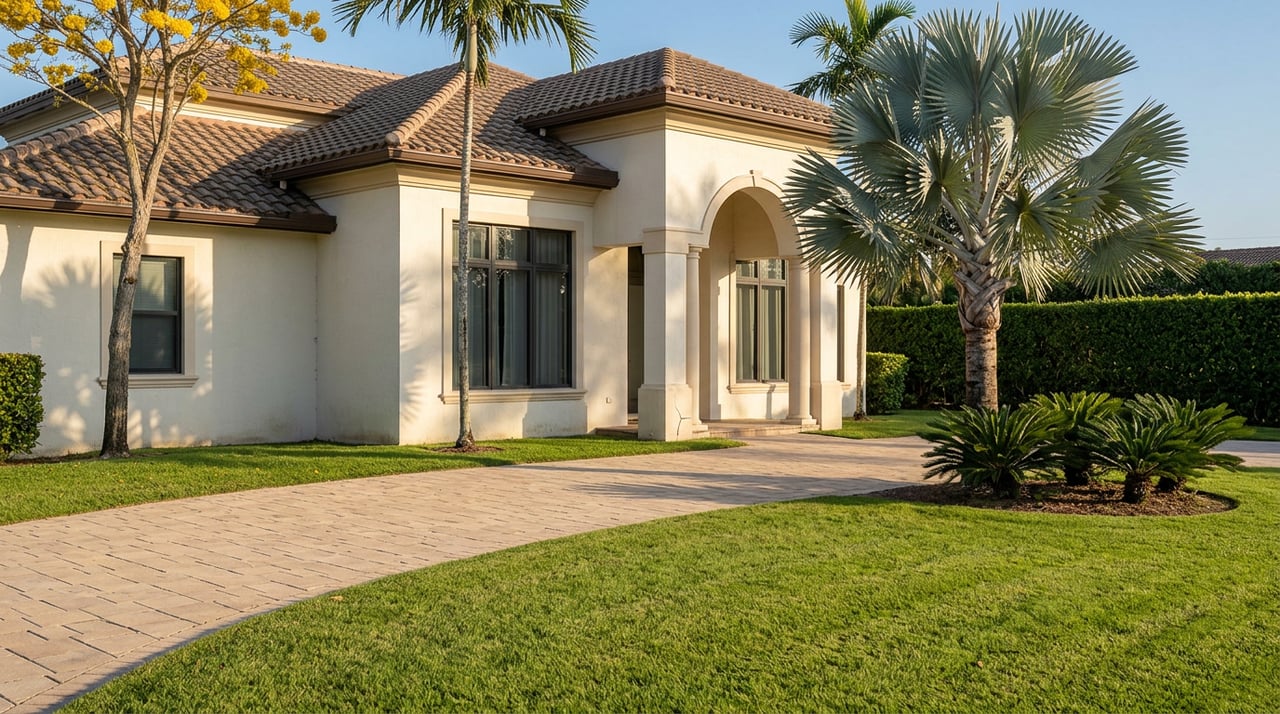
The Falls is a planned residential community with gated access and shared amenities. In Weston, many neighborhoods use a master association plus a sub-association for each village or enclave. Confirm whether your home is subject to one or two associations, since that changes monthly costs and rules.
Assessments are billed monthly or quarterly. You may also see special assessments for large projects if reserves are not sufficient. Expect transfer or estoppel fees at closing for association documents and payoff verification.
What your HOA commonly covers
Coverage varies by association and by property type, so always check the governing documents. Here are the typical categories you’ll see in The Falls and similar Weston communities:
Common area maintenance
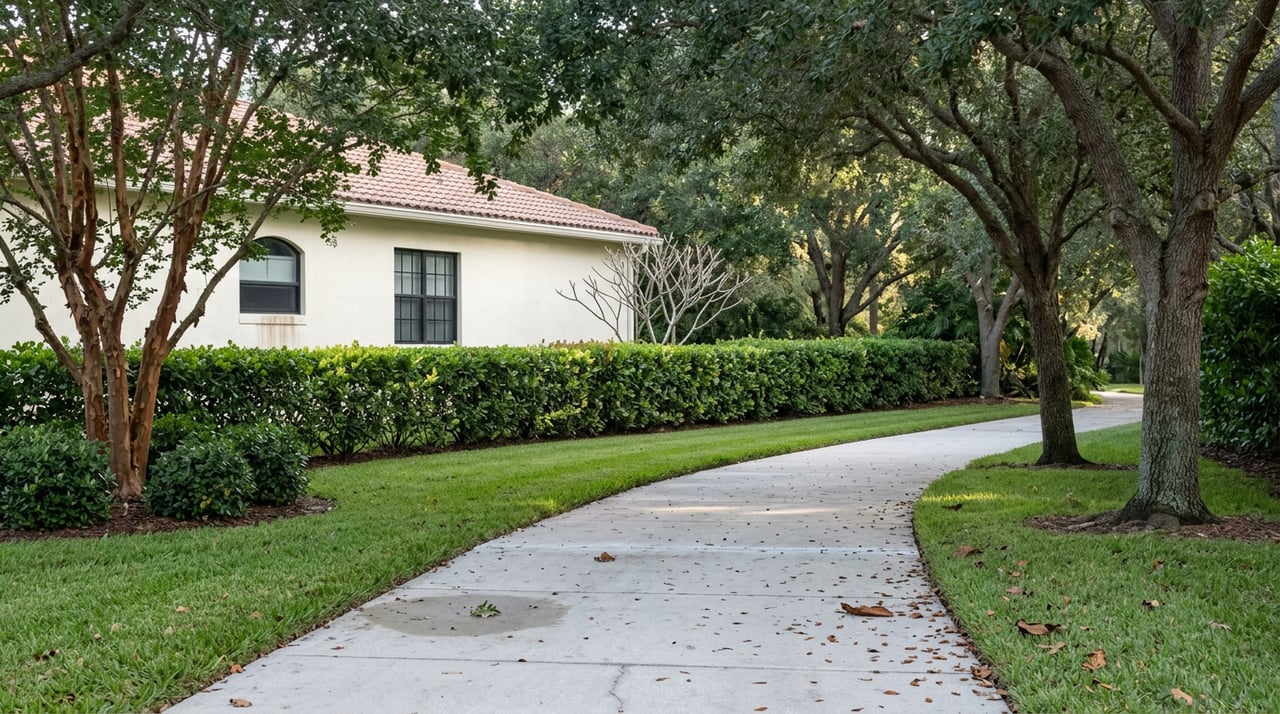
- Upkeep of shared roads inside the gates, sidewalks, street lighting, signage, lakes or retention ponds, and irrigation infrastructure.
- Repairs and scheduled work such as pavement projects, repainting community features, and structural upkeep for entry monuments or fountains.
Landscaping and exterior care
- Community landscaping for entrances, medians, common lawns, and right-of-way plantings.
- Irrigation system maintenance for common areas. In some communities, limited exterior services like lawn care for individual homes may be included. Verify this in the CC&Rs and current budget.
Gated access and security
- Gate system operation, repairs, and monitoring costs.
- Contracted guard staffing, gatehouse services, camera systems, and sensor maintenance where applicable.
Amenities and operations
- Pools, clubhouse spaces, fitness rooms, tennis or pickleball courts, playgrounds, and community rooms.
- Utilities for amenities and routine replacement or repair of equipment. Some associations also fund community events.
Utilities and shared services
- Electric for common area lighting and facilities.
- Irrigation water for community landscaping. Trash or recycling for common areas may be included. Some associations negotiate bulk cable or internet contracts that are either included in dues or optional.
Insurance and risk management
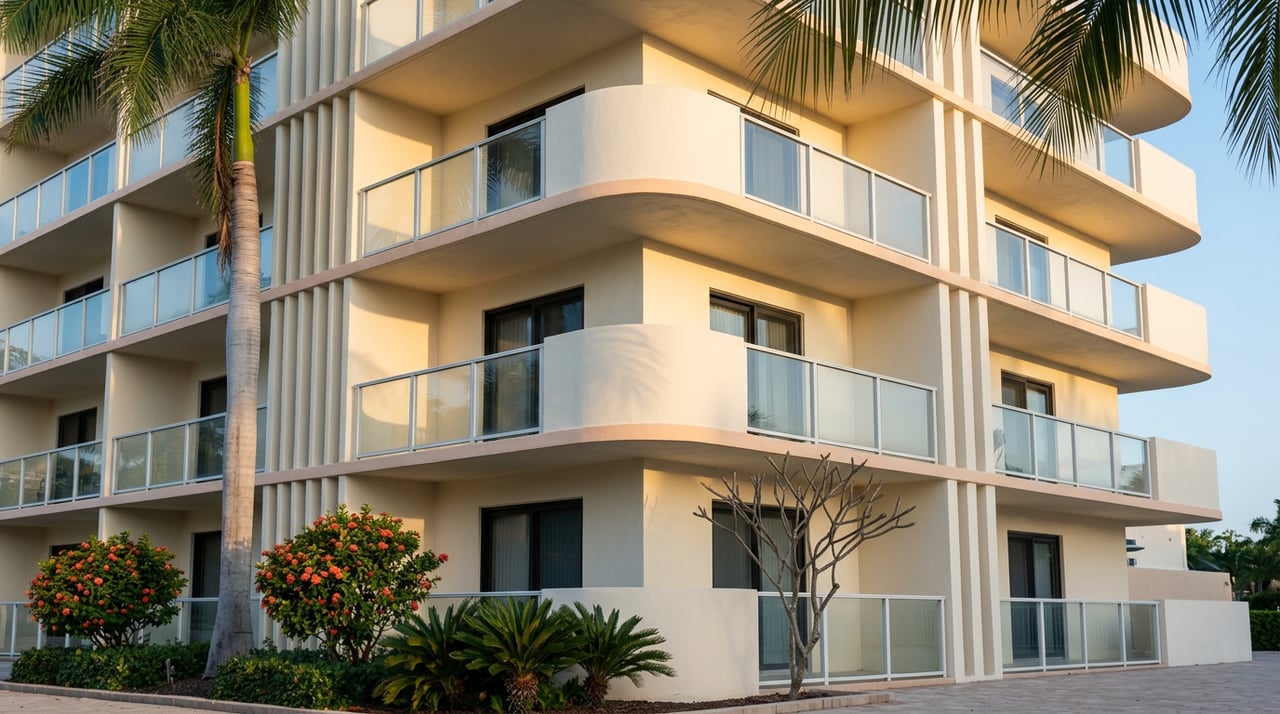
- Master insurance for association-owned structures and common areas.
- General liability and directors’ and officers’ coverage. Individual owner insurance needs depend on the property type and the master policy scope.
Management and administration
- Professional management fees, legal and accounting costs, tax filings, board meeting expenses, postage, and collections.
Reserves for big projects
- Contributions to a reserve fund that covers major future replacements, such as roadway resurfacing or pool replastering. Adequate reserves help avoid surprise special assessments.
Typical budget mix
Every association is different, but many divide spending across a few big buckets. A common rule of thumb looks like this, though actual percentages vary by community size and amenities:
- Grounds and common areas: often 25 to 40 percent of the operating budget.
- Amenities and utilities: 15 to 30 percent.
- Security and gates: 10 to 20 percent.
- Management, admin, legal, and insurance: 10 to 20 percent.
- Reserve contributions: 10 to 20 percent.
Use these ranges to compare neighborhoods, then confirm the specifics in the current budget for the property you’re considering.
How to confirm coverage for your home
Before you buy, request and review the full association package. These documents answer what is covered, how healthy the finances are, and what rules will shape daily living.
Document checklist
- Declaration of Covenants, Conditions and Restrictions, sometimes called the CC&Rs or Declaration
- Bylaws and Articles of Incorporation
- Rules and Regulations
- Current budget and recent financial statements
- Most recent reserve study
- Insurance certificate or policy summary for the association
- Meeting minutes for the past 12 to 24 months
- Estoppel certificate or payoff letter for closing
- Management and vendor contracts, especially for major services like landscaping and security
- Claims or litigation disclosures, plus violation or compliance records for the property
What these documents tell you
- Exterior and yard responsibilities. Check the CC&Rs, rules, and budget to confirm if the HOA covers lawn care for homes, or if owners handle it.
- Amenity condition and funding. The reserve study, budget, and meeting minutes reveal whether big repairs are planned and how they will be paid.
- Special assessments. Minutes and the estoppel certificate show approved or pending assessments and payment status.
- Insurance scope and deductibles. The insurance certificate clarifies what the master policy covers and where owners must insure their home and contents.
- Lifestyle rules. The CC&Rs and rules cover exterior changes, parking, pets, rentals, and use of common facilities.
Calculate your true monthly cost
To understand your all-in monthly HOA impact, use a simple framework:
- Start with the base HOA fee. Note whether it is monthly or quarterly and if multiple associations apply.
- Add any master association dues. Many Weston communities have a master layer plus a neighborhood sub-association.
- Amortize recent special assessments. Divide the total assessment by the number of months you expect to pay during the payoff period to estimate a monthly equivalent.
- Subtract services you no longer pay individually. If the HOA includes irrigation water, gate security, or community cable, your personal utility bills may be lower than a non-HOA home.
- Include recurring fees. Add any regular amenity or program fees, and note transfer or move-in fees that apply at closing.
- Project increases. Review prior budgets and meeting minutes to understand typical annual adjustments.
Example: If the sub-association is 250 dollars per month and the master association is 120 dollars per month, your base is 370 dollars. If a recent 1,200 dollar special assessment is due over 12 months, add 100 dollars. If the HOA covers irrigation water that would otherwise cost 15 dollars per month, your net monthly impact is about 455 dollars.
Red flags to catch early
You can learn a lot from a quick scan of financials and minutes. Watch for:
- Low or zero reserve balances compared with the reserve study
- A pattern of operating deficits or repeated special assessments
- Ongoing or substantive litigation
- High owner delinquency on assessments
- Frequent turnover in management or an expiring management contract without a plan
- Large capital projects without identified funding
- Rules that conflict with your plans, such as strict rental caps or exterior limits
- Deferred maintenance you can see in common areas despite regular dues
Lifestyle trade-offs to weigh
Living in a gated Weston community offers convenience and predictability, along with rules that protect a consistent look and feel. Consider how each factor fits your day to day.
- Predictability and convenience. You may have less exterior upkeep and access to a pool, clubhouse, and courts without personal maintenance. In return, you agree to property standards and community rules.
- Gated access. Controlled entry and gate staffing can streamline traffic into the neighborhood. Visitor access and vendor entry may require extra steps.
- Amenities. Shared amenities can be a cost-effective way to enjoy recreation close to home. Heavy use or major replacements can raise dues in the future, so reserves matter.
- Resale implications. Well-funded, well-managed associations tend to support stronger resale confidence. Ongoing disputes or visible disrepair can affect desirability.
Scenario: If you value weekend time and want minimal yard work plus access to courts and a pool, an HOA with robust amenity maintenance may be worth higher dues. If you prefer to customize your exterior freely and avoid community rules, a different setup may fit better.
Smart questions to ask the HOA
Use this quick checklist when you speak with the management company or board:
- Is this home subject to both a master and a sub-association? What are the amounts and billing cycles for each?
- What is the current assessment and when is the next increase planned?
- Are there approved or pending special assessments or loans?
- What is the current reserve balance and date of the latest reserve study?
- Are there any active lawsuits or unresolved insurance claims?
- What services are included in the fee, for example landscaping, irrigation, gate staffing, or amenity utilities?
- Are there rental restrictions or caps that could affect future plans?
- What are the parking, guest access, and move-in rules?
- Can I review 12 to 24 months of minutes, the last fiscal year’s budget, the latest financials, and the management contract?
Buyer due diligence in Weston
A focused review during escrow protects you from surprises and helps you compare homes on a level field.
- Confirm the association layers. Note both master and sub-association dues if they apply in The Falls.
- Request the estoppel certificate early. It confirms account status, fees owed, and pending assessments.
- Read meeting minutes for the past year. Look for upcoming projects, community issues, or planned changes to services.
- Review the reserve study and budget. Check whether contributions match the age of the community and amenity scope.
- Verify master insurance and deductibles. This affects your personal insurance decisions after closing.
- Visit at different times. Observe gate operation, guest access, parking, and amenity conditions.
- Consult a Florida community association attorney for help interpreting CC&Rs or assessing legal exposure if needed.
- Loop in your lender early. Some lenders have standards for associations, so document review can impact financing.
Your next steps
If you are comparing homes in The Falls, focus on the coverage categories that matter most to you and the strength of the association’s reserves. Request the full document set before you commit, calculate the all-in monthly figure, and weigh the lifestyle fit. If you want a second set of eyes on the practical side of budgets, amenities, and service levels, our team can help you organize documents, connect with lenders and inspectors, and keep your escrow on track.
Ready to explore homes and review HOA details with a trusted advisor? Connect with Phillip Delgado. Let’s talk about your next move.
FAQs
What do HOA fees typically include in The Falls, Weston?
- Common area upkeep, landscaping, gated access, amenities, some utilities, master insurance for shared areas, management, and reserve funding. Coverage varies by association.
Does The Falls use a master and a sub-association structure?
- Many Weston neighborhoods do. Always verify whether a property is subject to both layers and add both dues to your monthly cost.
How can I find out if lawn care for my home is included?
- Check the CC&Rs, Rules and Regulations, and the current budget line items. If included, you should see community or lot-level landscaping in the operating budget.
What is a special assessment and how do I plan for it?
- It is an extra charge for capital needs when reserves are short. Divide the assessment by months in the payoff period to estimate a monthly equivalent for comparisons.
What insurance does the HOA carry versus what I need as an owner?
- Associations insure common areas and association-owned structures. You are responsible for your dwelling and contents as required by the master policy and property type.