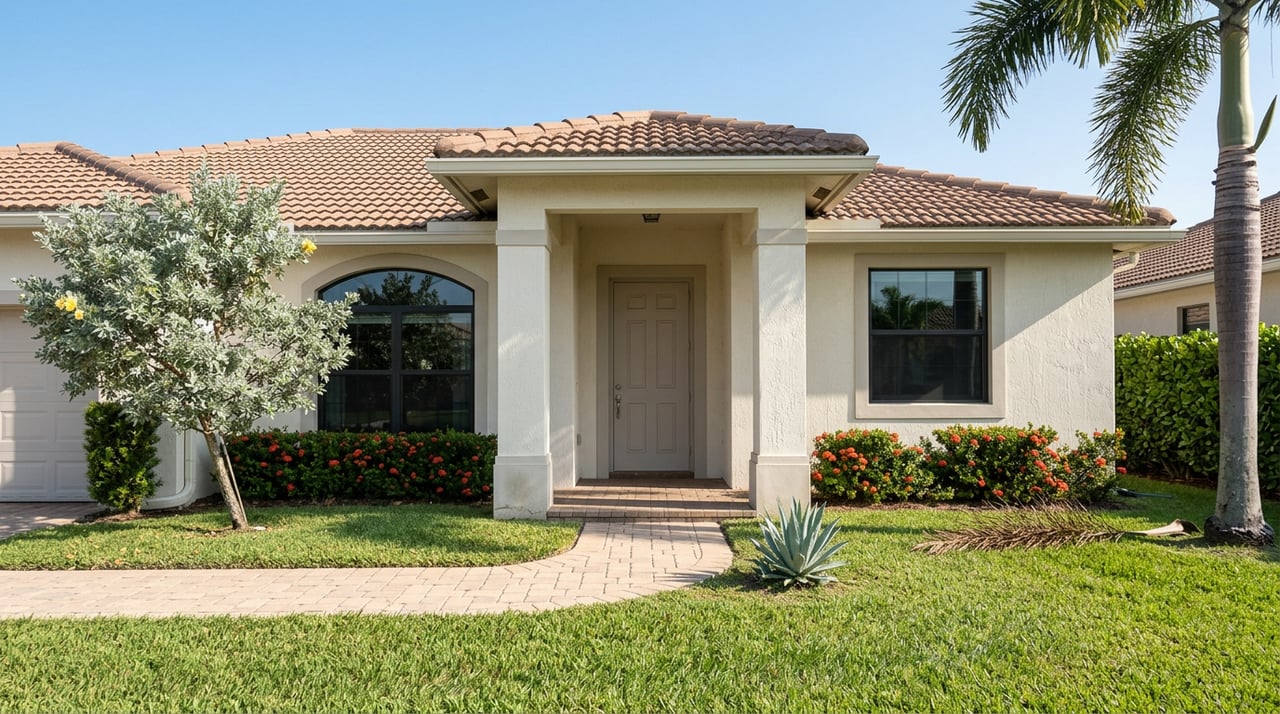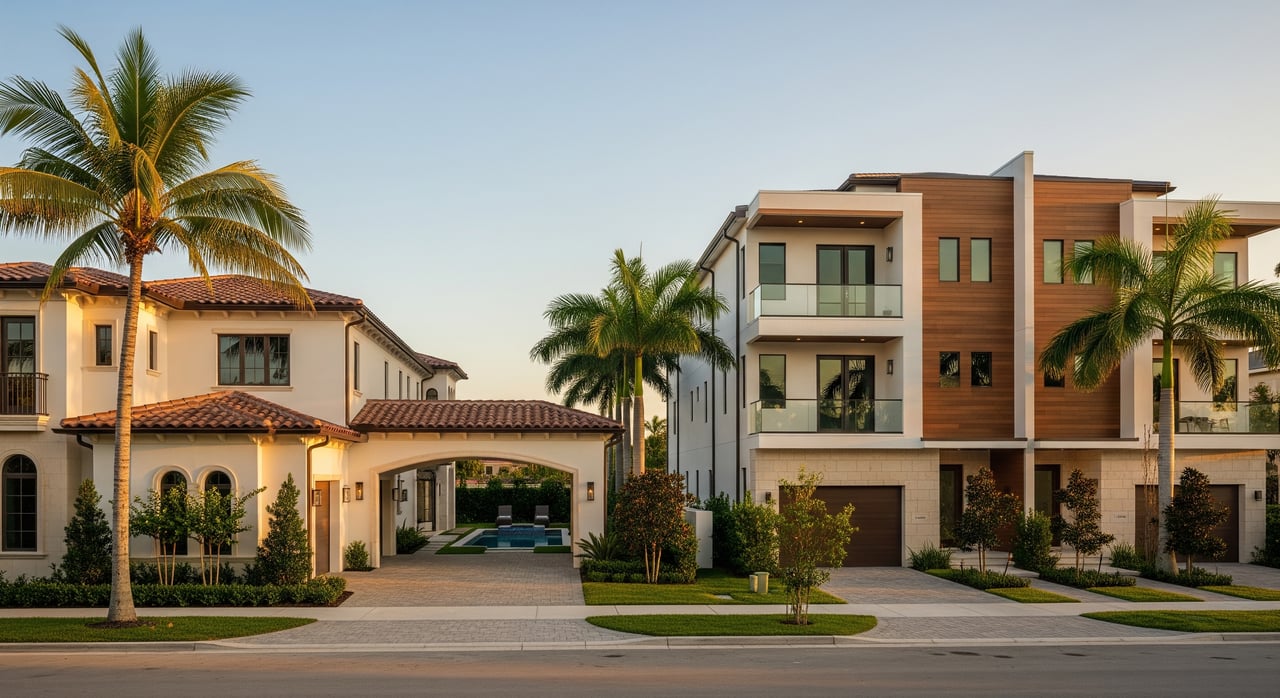
Torn between a single-family home and a townhome in Kendall? You are not alone. Between HOAs, insurance, flood maps, and lifestyle tradeoffs, the decision can feel complex. In this guide, you will compare costs, maintenance, financing, privacy, and resale so you can choose what fits your life and budget in Kendall. Let’s dive in.
Kendall market snapshot
Kendall sits in unincorporated southwest Miami-Dade with a mix of postwar neighborhoods, later subdivisions, and newer planned communities. Demand for single-family homes is strong, especially from buyers who want outdoor space. Interest rate swings have cooled sales at times, but well-located homes still draw attention. For data context, you can review broader county trends in Miami Realtors market statistics.
Buyer needs here vary. Families often prioritize yards and flexible parking. Downsizers and busy professionals lean toward lower-maintenance options. Commuters value access to Dadeland, central Miami, and major corridors. Investors track stable rental demand and association rules.
What you own and HOA basics
A detached single-family home usually means you own the lot and the structure. You handle exterior and interior upkeep unless an HOA states otherwise. A townhome typically includes the interior and unit footprint, while an association covers exterior elements and shared areas according to the governing documents. Some Kendall townhomes are legally condominiums, which changes insurance and financing requirements.
HOAs are more common with townhomes and many newer master-planned communities. Rules and dues can shape lifestyle and resale, so review them early.
Key HOA due diligence
- Request CC&Rs, bylaws, insurance summaries, budget, and the latest reserve study.
- Review board meeting minutes from the past 12 months for special assessments.
- Confirm coverage details in the master policy versus the owner policy.
- Ask about rental rules, pet policies, exterior change approvals, and any open litigation.
- For townhomes structured as condos, learn your rights and disclosures under Florida Statutes Chapter 718. For HOA communities, see Chapter 720.
Cost and maintenance factors
Your total monthly housing cost typically includes:
- Mortgage principal and interest
- Property taxes
- Homeowners insurance (often with a separate wind deductible)
- Flood insurance if required by your lender
- HOA dues if applicable
- Maintenance and repairs
- Utilities and pest control
A simple way to compare homes is to add mortgage, taxes, insurance, HOA, and a maintenance reserve to get a total monthly number. For taxes and parcel details, the Miami-Dade County Property Appraiser is a helpful reference.
Maintenance tradeoffs
- Single-family: You control the roof, exterior, yard, and upgrades. That freedom can add variable maintenance costs over time.
- Townhome: Exterior and common areas are often handled by the association. Your daily workload is lighter, but you will follow HOA rules and could face special assessments for major projects.
Insurance and flood risk
Florida premiums are higher than many states, and wind coverage can be a separate policy or deductible. Flood risk in Miami-Dade varies block by block. Lenders will require flood insurance for homes in higher-risk zones.
- Check flood zones with the FEMA Flood Map Service Center.
- Learn about wind coverage options and the state-backed market at Citizens Property Insurance Corporation.
- For attached communities, ask if the HOA master policy is walls-in or covers only common elements. Your required HO-3 or HO-6 policy depends on that.
Financing and appraisal differences
Detached single-family homes are usually straightforward for conventional loans. Townhomes also qualify for standard financing, but the legal structure matters. If a townhome is legally a condominium, the project must meet agency guidelines.
- Review condo project rules from Fannie Mae.
- FHA and VA buyers should confirm project eligibility early. See HUD’s page on FHA condominiums.
- Appraisals for attached homes may use different comps if there are fewer similar nearby sales.
Lifestyle and privacy
- Single-family: Typically more privacy, larger private yards, and better options for parking and storage. You can customize landscaping and consider additions within local code.
- Townhome: Expect shared walls and smaller outdoor spaces, but enjoy lower upkeep and, often, amenities like a pool or gym baked into dues. These communities can make social connections easier.
Resale and rental factors
Historically, detached homes often appreciate faster because of land value. In Kendall, location can outweigh product type. A well-kept attached home in a desirable pocket with lower flood risk and convenient access can outperform a single-family home in a less favored area.
Liquidity varies. Entry-level townhomes can attract first-time buyers and investors, but high HOA dues or strict rules may narrow the buyer pool. If rental income matters, confirm community restrictions and county rules. For general planning and code resources, visit Miami-Dade Planning.
For neutral school information, check boundaries and resources with Miami-Dade County Public Schools.
Quick comparison table
| Factor | Single-Family Home | Townhome |
|---|---|---|
| Upfront price drivers | Land and lot size often increase price | Smaller land component can lower entry price |
| Monthly costs | No HOA or lower HOA, but higher maintenance variability | HOA dues common, lower day-to-day maintenance |
| Maintenance control | Full control over exterior and yard | HOA handles exteriors and amenities by rules |
| Insurance and flood | Individual policies; premiums vary by location and wind/flood exposure | HOA master policy plus owner policy; confirm flood zone and coverage |
| Financing complexity | Generally straightforward | If legally a condo, project approval may be required |
| Lifestyle fit | Privacy, yard, customization | Amenities, convenience, community feel |
| Resale and rental | Broad demand; flexible rental in many areas subject to local code | Buyer pool can shrink with strict rules or high dues |
How to decide in Kendall
- Define must-haves like bedroom count, yard needs, parking, commute time, and neighborhood features.
- Set a total monthly budget that includes insurance, flood coverage if needed, HOA dues, and a maintenance reserve.
- Screen listings by flood zone and elevation using FEMA resources and your lender’s determination.
- For attached options, review HOA documents, budget, reserves, insurance, and rental rules before offering.
- Confirm financing early, especially for condos or condo-like townhomes. Check project eligibility.
- Map resale factors like lot size, location within the subdivision, and community stability.
Local buyer checklist
- Is the property in a FEMA flood zone and what is the lender’s flood determination?
- What exactly does the HOA master policy cover and what policy must I carry?
- What are the current dues, payment schedule, reserve level, and any pending assessments?
- Can I review the reserve study and board minutes from the past 12 months?
- Are there rental restrictions or short-term rental limits in the CC&Rs?
- Are there any open lawsuits involving the association?
- What recent comps exist for similar homes in the immediate submarket?
- For single-family homes, are there easements or shared drainage agreements?
- What are typical utility costs and is the home on public water and sewer?
Red flags to watch
- Low reserves plus visible deferred maintenance on roofs, paving, or exteriors.
- Repeated special assessments or frequent rule changes by the HOA.
- High flood premiums or a history of repeated flood claims.
- Condo projects with low owner-occupancy or heavy investor concentration that affect financing.
- Pending litigation involving the association.
Your next steps
If you want a clear comparison on real homes in Kendall, start by shortlisting a few single-family and townhome options. Pull HOA documents, check flood zones, and run true monthly cost estimates side by side. A local advisor can help you pressure-test the numbers, confirm financing paths, and negotiate the right protections.
For a tailored plan and on-the-ground insight, connect with Phillip Delgado. Let’s talk about your next move.
FAQs
What should Kendall buyers compare to decide between a single-family home and a townhome?
- Add up mortgage, taxes, insurance, flood coverage if required, HOA dues, and a maintenance reserve, then weigh privacy and yard needs against amenities and lower upkeep.
How do HOAs affect townhome ownership in Kendall?
- HOAs often reduce exterior maintenance but add monthly dues and rules, so review budgets, reserves, insurance coverage, rental limits, and any special assessments.
How do flood zones impact Kendall home costs and financing?
- Homes in higher-risk zones may require flood insurance, which raises monthly costs; verify the zone with the FEMA Flood Map Service Center and your lender.
What financing issues should I expect with Kendall townhomes that are legally condos?
- Condo project approval rules can apply, so confirm eligibility early using lender guidance and resources from Fannie Mae and HUD.
How can I research taxes and assessed values for Kendall properties?
- Use the Miami-Dade County Property Appraiser to review parcel details, assessments, exemptions, and tax history.
Where can I find neutral information about school zones in Kendall?
- Check boundaries and district resources with Miami-Dade County Public Schools and confirm details directly with the district before you decide.