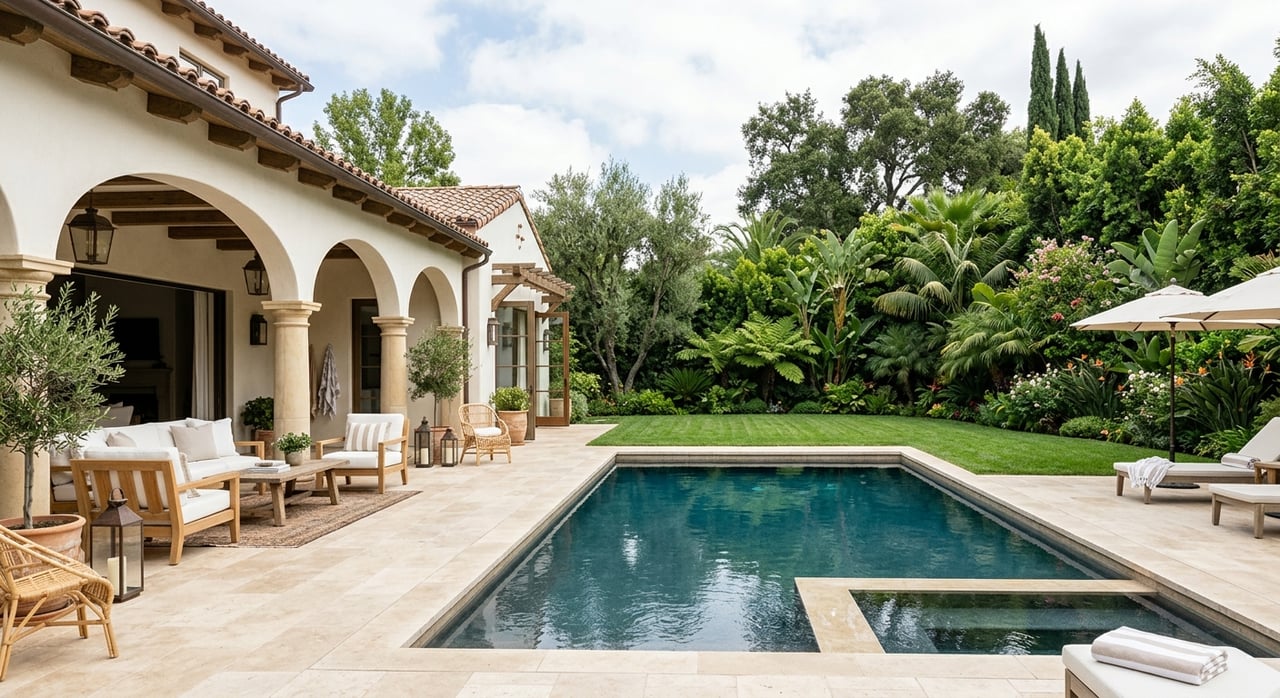
If you picture life in Pinecrest, chances are you picture time outside. That makes sense, because this village is built around tree-lined streets, large residential lots, and a daily rhythm that often stretches from the backyard to the park and back again. If you are thinking about moving here, buying here, or selling a home here, understanding Pinecrest’s outdoor lifestyle can help you see what makes the area feel distinct. Let’s dive in.
Why Pinecrest Feels So Outdoor-Oriented
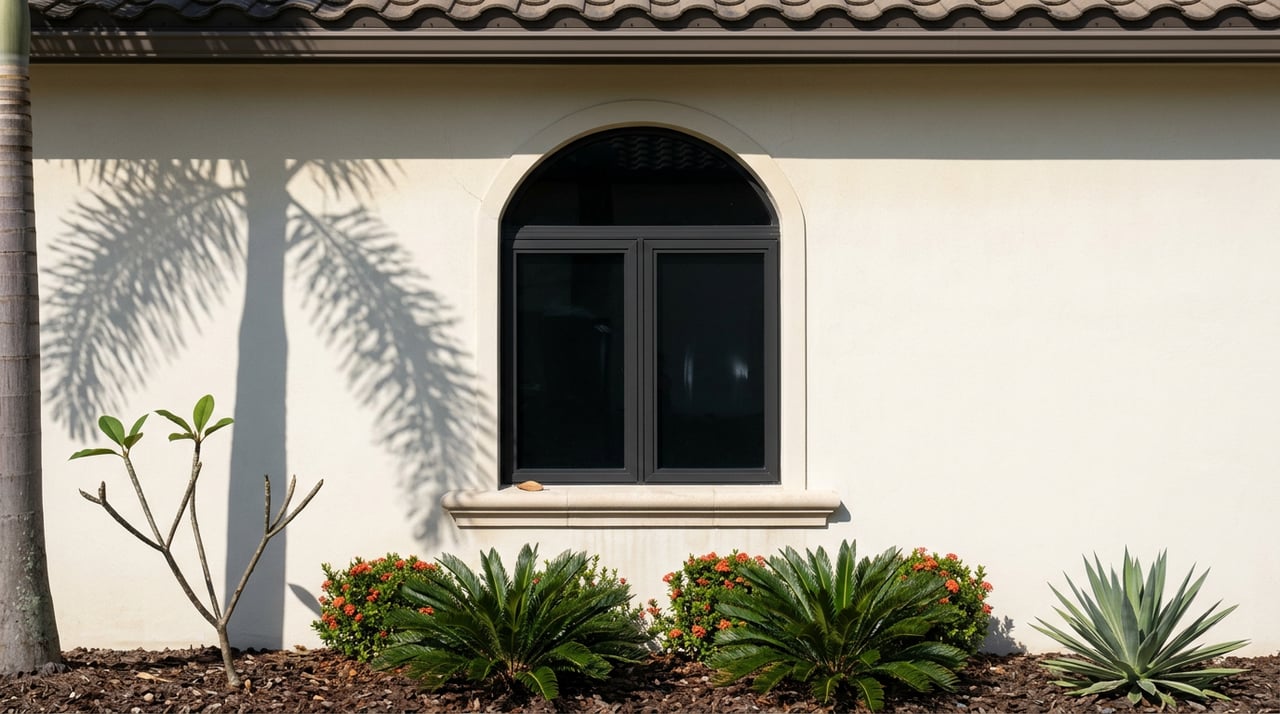
Pinecrest has a suburban layout that supports outdoor living in a very practical way. The Village describes itself as a community of tree-lined streets and large estate lots, and its planning framework protects low-density residential areas. That pattern helps explain why outdoor space here feels tied to everyday home life, not just weekend recreation.
The numbers reinforce that identity. Pinecrest has about 18,981 residents across 7.45 square miles of land, with an owner-occupied housing rate of 82.8% and an average household size of 3.03 people. In simple terms, it is a small, homeowner-heavy community where private yards and residential outdoor space play a big role in how people live.
Tree Canopy Shapes Daily Life
One of the first things you may notice in Pinecrest is the amount of shade and greenery. The Village says it has planted more than 10,000 street trees since 1997 and reports 50,837 street trees. That kind of canopy changes how streets look, how walks feel, and how front yards and backyards connect to the surrounding neighborhood.
The Village also gives residents ways to stay involved through its Adopt-a-Tree and Tree Placement programs. According to Pinecrest, trees help provide shade, screen views, support wildlife, and improve the area’s visual character. For buyers, that often means a more mature streetscape. For homeowners, it means landscape care is part of protecting the feel of the property over time.
Yards Are Part Of The Home
In Pinecrest, the yard is not just extra square footage outside. The Village’s planning documents emphasize preserving open space, setbacks, trees, privacy, and access to light and air in single-family areas. That creates a setting where outdoor living is built into the residential experience.
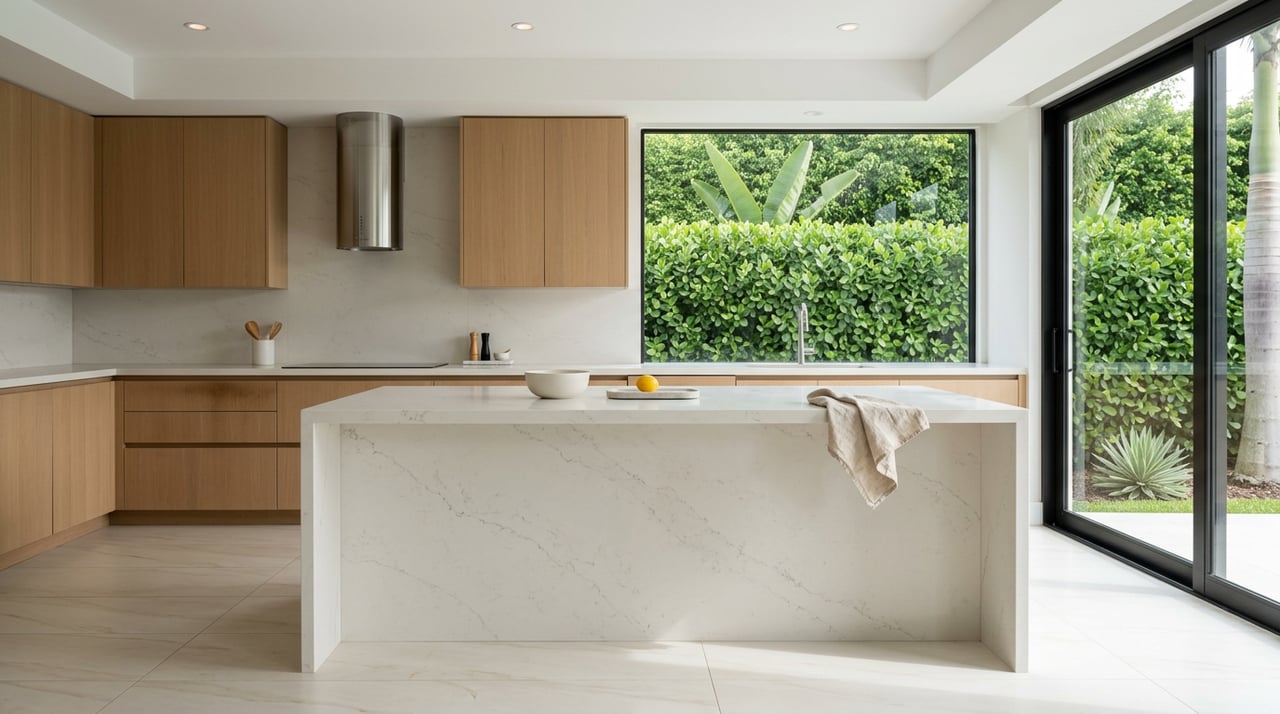
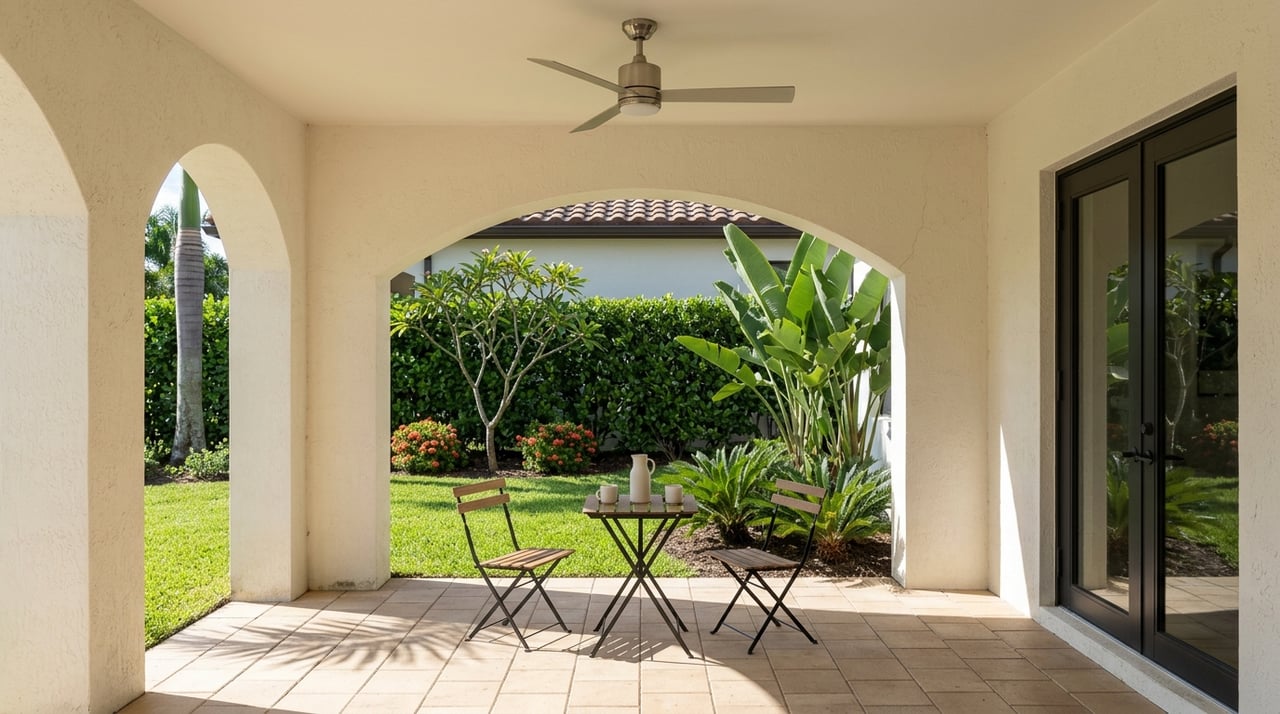
For you, that can mean more room for everyday routines that happen beyond the walls of the house. A backyard might be where you relax after work, host friends on a weekend, garden, or simply enjoy a little more breathing room. In Pinecrest, those uses fit naturally with the way homesites and neighborhoods are planned.
Parks Add Variety To Outdoor Life
Private yards are a major part of the Pinecrest lifestyle, but public green space adds another layer. The Village’s Parks & Recreation Department manages nine parks and offers more than 150 programs for all ages. That gives residents a mix of structured activities and casual outdoor options close to home.
At the center of the parks system is Pinecrest Gardens, a 14-acre botanical garden and event venue that welcomes more than 140,000 visitors each year. It supports arts, education, and environmental conservation uses, which makes it more than just a place to walk around. It is one of the clearest examples of how outdoor living in Pinecrest also connects to community events and public gathering spaces.
Pinecrest Parks At A Glance
Different parks support different kinds of routines, which is part of what makes the village feel livable for a wide range of households and lifestyles.
Coral Pine Park
Coral Pine Park includes lighted walking paths, pickleball courts, tennis courts, a pro shop, a great lawn, and a 2.9-acre pineland preserve. If you like a mix of active recreation and open green space, this is one of the village’s most versatile spots.
Evelyn Greer Park
Evelyn Greer Park offers baseball and soccer fields, a Vita Course, a tot lot, a meeting room, and a gazebo. It is set up for both organized activities and general outdoor use, which makes it a practical part of many residents’ weekly routines.
Flagler Grove Park
Flagler Grove Park is geared toward soccer, lacrosse, and a tot lot. It serves as another option for active recreation and open-air play within the village park network.
Pawcrest Park
Pawcrest Park is Pinecrest’s only off-leash dog park, with separate areas for large and small dogs. For pet owners, that adds a specific kind of convenience that supports daily outdoor time.
Red Road Linear Park
Red Road Linear Park features a lighted path along a canal. It is especially useful for walking and casual exercise, and it adds another simple option for getting outside without needing a full park outing.
Suniland Park And Veterans Wayside Park
Suniland Park includes baseball, football, basketball, a playground, and a gazebo. Veterans Wayside Park is more passive, with picnic tables and a lower-key setting for gathering or taking a break outdoors.
Outdoor Living Goes Beyond Recreation
In Pinecrest, outdoor living is not only about where you go. It is also about how you care for the space you have. The Village’s Florida-Friendly Yards guidance encourages native or well-adapted plants, water-efficient irrigation, mulch, composting, stormwater runoff reduction, and wildlife habitat.
That matters because yard care here is closely tied to long-term maintenance and environmental awareness. If you own a home in Pinecrest, your outdoor space may look lush, but keeping it that way often means using the right planting choices and seasonal habits for South Florida conditions.
What Homeowners Should Know About Yard Care
Pinecrest points residents toward practical outdoor stewardship resources, including rebate and resource programs for irrigation and rain barrels. These kinds of tools can help you think beyond appearance alone and focus on how your yard functions over time.
Miami-Dade County also has a Florida-friendly fertilizer ordinance that affects seasonal maintenance. The County says fertilizers containing nitrogen or phosphorus are prohibited from May 15 through October 31, and Pinecrest directs residents to follow that restriction. For homeowners, that means outdoor upkeep is not just aesthetic. It also follows county rules designed to support environmental care.
Getting Around Outside In Pinecrest
Outdoor living in Pinecrest also includes local mobility. The Pinecrest People Mover is a free transit bus service that connects neighborhoods and schools and links riders to Metrobus. Freebee also offers free on-demand electric rides to local destinations and connections to the South Dade Transitway and Metrorail.
The Village is also expanding shared-use paths on Kendall Drive and Ludlam Road for two-way pedestrian and bicycle traffic. While Pinecrest is not organized like a dense urban neighborhood, these services and path improvements give residents more ways to move through the village without always relying on a private car for short local trips.
How Pinecrest Compares To Denser Miami Areas
Pinecrest offers a different outdoor experience than denser parts of Miami-Dade. Instead of concentrating activity in a tight urban grid, the village spreads outdoor life across private backyards, tree-canopied residential streets, local parks, and recreation spaces. That pattern reflects its low-density planning and strong single-family orientation.
If you are comparing neighborhoods, this distinction matters. In Pinecrest, outdoor living often feels quieter, more residential, and more connected to the home itself. For some buyers, that is exactly the appeal. For some sellers, it is also one of the most important lifestyle features to highlight when bringing a property to market.
Why This Matters When Buying Or Selling
If you are buying in Pinecrest, outdoor living should be part of how you evaluate a property. Lot size, tree cover, yard usability, and proximity to parks can all shape how a home fits your daily routine. In a community where the outdoor setting is such a visible part of everyday life, those details carry real weight.
If you are selling, the same idea applies from a marketing standpoint. A mature landscape, functional yard, shaded street presence, or access to village parks may help tell a stronger story about how the home lives day to day. In Pinecrest, buyers are often responding to more than square footage. They are also reacting to the lifestyle the property supports.
If you want help understanding how Pinecrest’s outdoor lifestyle connects to home values, buyer priorities, or your next move, Phillip Delgado can help you navigate the market with local insight and a full-service approach.
FAQs
What makes outdoor living in Pinecrest different from other Miami-Dade areas?
- Pinecrest’s outdoor lifestyle is shaped by low-density residential planning, large lots, mature tree canopy, private yards, and a network of village parks rather than a dense urban street grid.
How many parks are in Pinecrest?
- Pinecrest’s Parks & Recreation Department manages nine parks and offers more than 150 programs for all ages.
What is Pinecrest Gardens used for?
- Pinecrest Gardens is a 14-acre botanical garden and event venue that supports arts, education, and environmental conservation and welcomes more than 140,000 visitors a year.
What park options are available for dog owners in Pinecrest?
- Pawcrest Park is the village’s only off-leash dog park, with separate areas for large and small dogs.
What should Pinecrest homeowners know about fertilizer rules?
- Miami-Dade County prohibits fertilizers containing nitrogen or phosphorus from May 15 through October 31, and Pinecrest directs residents to follow that seasonal restriction.
How do residents get around Pinecrest for short local trips?
- Residents can use the free Pinecrest People Mover, free on-demand Freebee rides to local destinations and transit connections, and expanding shared-use paths on Kendall Drive and Ludlam Road.