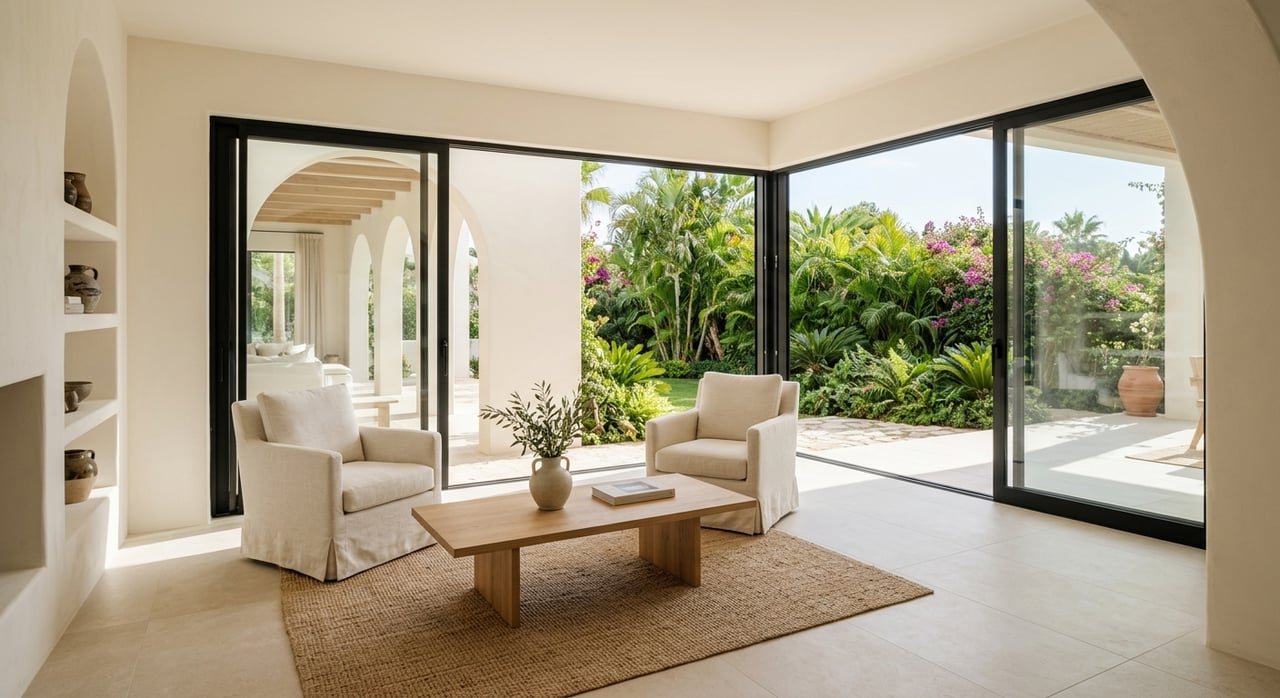
If you are juggling work, family, and a full calendar, getting your Pinecrest home ready to list can feel like one more big project you do not have time for. The good news is that you do not need to do everything at once, and you do not need to guess which tasks matter most in this market. With the right timeline, you can focus on the updates that help your home show well, avoid last-minute stress, and stay aligned with local rules. Let’s break it down week by week.
Why timing matters in Pinecrest
Pinecrest is a largely owner-occupied market, with an 82.8% owner-occupied housing rate and a median owner-occupied home value of $1,406,400, according to the U.S. Census Bureau. That means many sellers here are preparing lived-in homes, not vacant properties already styled for the market. A clear prep schedule helps you make progress without turning daily life upside down.
In Pinecrest, listing prep also goes beyond paint colors and countertop styling. The village highlights common code issues such as overgrown conditions, stagnant pools, junk or abandoned materials, mildew, improper pruning, and tree removal without a permit. In other words, your exterior presentation is just as important as your interior photos.
Start 4 to 6 weeks early
For most occupied homes, four to six weeks is a practical window to prepare for market. If your home needs tree work, roof work, new windows, fence updates, or other exterior repairs, it is smart to start even earlier. Some of those projects may require review or permits through Pinecrest.
Miami-Dade notes that incorporated municipalities like Pinecrest handle permits through their own building official. Permits are generally required for work such as pools, additions, fences, sheds, carports, new plumbing, electrical or mechanical work, and exterior repairs involving windows, doors, siding, and roofs. By contrast, interior painting, wallpapering, floor resurfacing, and installing a ceiling fan in an existing outlet do not require permits.
Six weeks out: Walk through and triage
Start with a full walk-through of the home, inside and out. Your goal this week is not to fix everything. It is to sort tasks into clear groups so you know what needs immediate action.
Use three simple buckets:
- Cosmetic fixes you can do quickly
- Permit-sensitive work that may need more lead time
- Exterior or maintenance issues that could affect presentation or trigger code concerns
Pay close attention to the yard, driveway, pool area, roofline, fences, and visible landscaping. Pinecrest specifically flags overgrowth, stagnant pools, mildew, tree issues, and abandoned materials, so these are worth identifying early.
If you have questions about tree removal or major pruning, do not leave that decision for later. Pinecrest requires a removal application for dead and invasive trees so the village arborist can inspect before removal, and dangerous trees may need documentation from an ISA-certified arborist or a Florida licensed landscape architect.
Five weeks out: Handle easy repairs
This is the week to knock out the smaller jobs that improve how your home feels without creating permit delays. Think touch-up paint, minor hardware swaps, loose handles, worn caulking, light fixture refreshes, and basic maintenance items that make the home feel cared for.
If you need contractor help for larger items, begin gathering estimates now. This is also a good time to decide what is worth doing before you list and what may be better left alone. In many cases, a clean, well-maintained home with strong presentation beats an ambitious last-minute project.
For busy homeowners, this is where having a local, coordinated plan can make a big difference. Instead of managing every moving part on your own, you can work through a prioritized list and schedule the right help in the right order.
Four weeks out: Focus on curb appeal
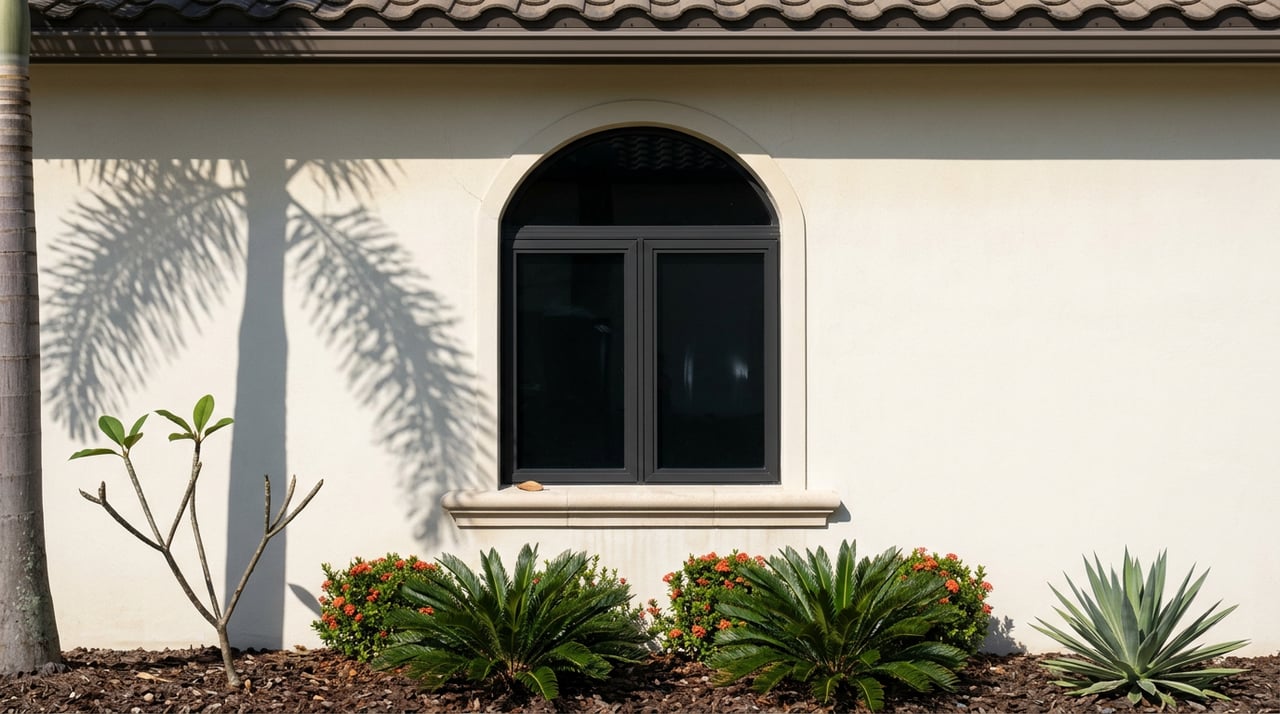
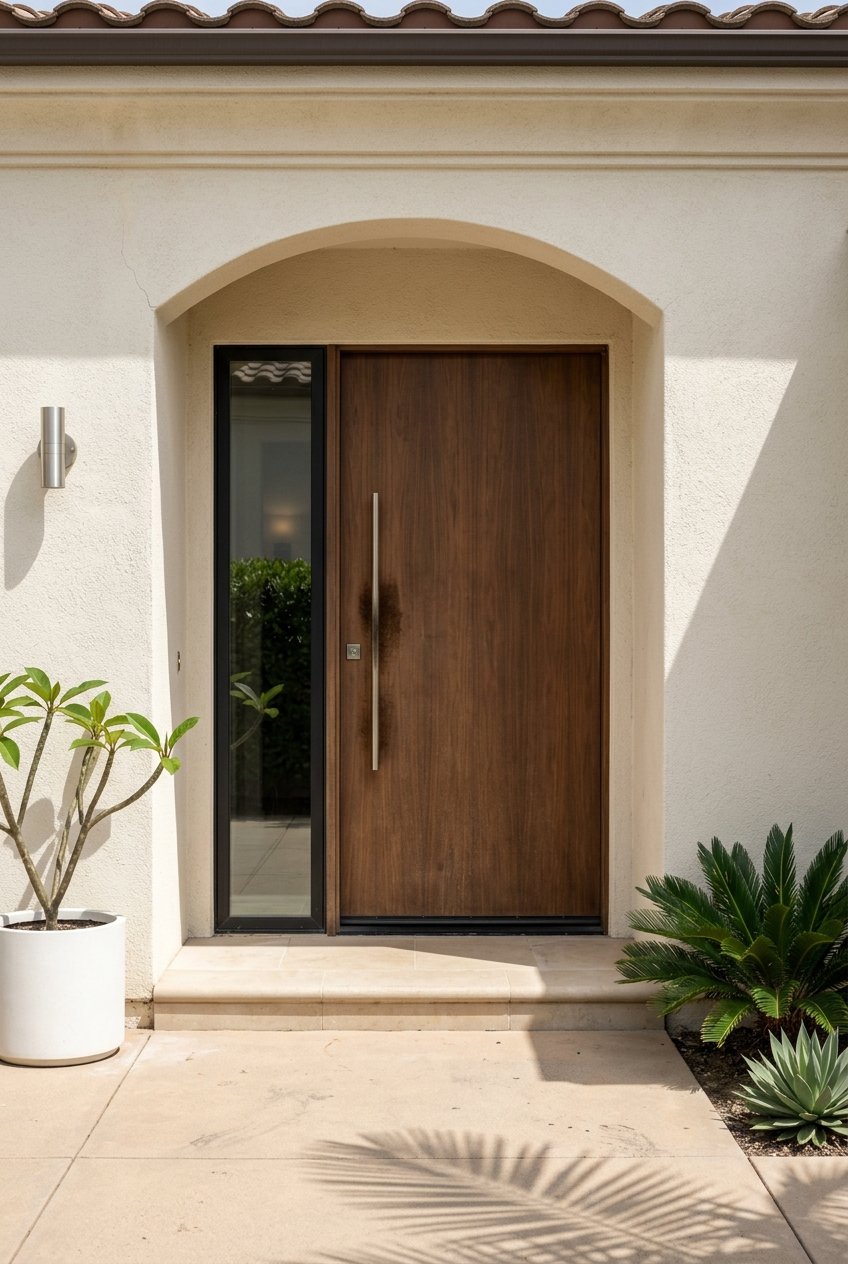
In Pinecrest, curb appeal is not just about first impressions. It is also about showing that the property is maintained in a way that fits local expectations. Because the village calls out overgrown conditions, mildew, stagnant pools, and improper pruning, the exterior deserves early attention.
Use this week to focus on:
- Trimming and shaping landscaping
- Cleaning patios, walkways, and driveways
- Addressing mildew or visible buildup
- Resetting the pool area and checking for stagnant water issues
- Replacing dead plants or refreshing mulch where needed
If tree removal or significant pruning is part of your plan, start that process now, not a few days before photos. Pinecrest’s tree guidance makes clear that some removals require review before work begins, and owners remain responsible for required landscaping even if a replacement permit is not required.
It also helps to remember that landscape work in Pinecrest is subject to local work-hour rules, and Miami-Dade enforces year-round watering restrictions. Irrigation is allowed only two days a week, before 10 a.m. and after 4 p.m., based on odd or even address. Scheduling yard work early gives you more flexibility and reduces the chance of a rushed finish.
Three weeks out: Declutter the key rooms
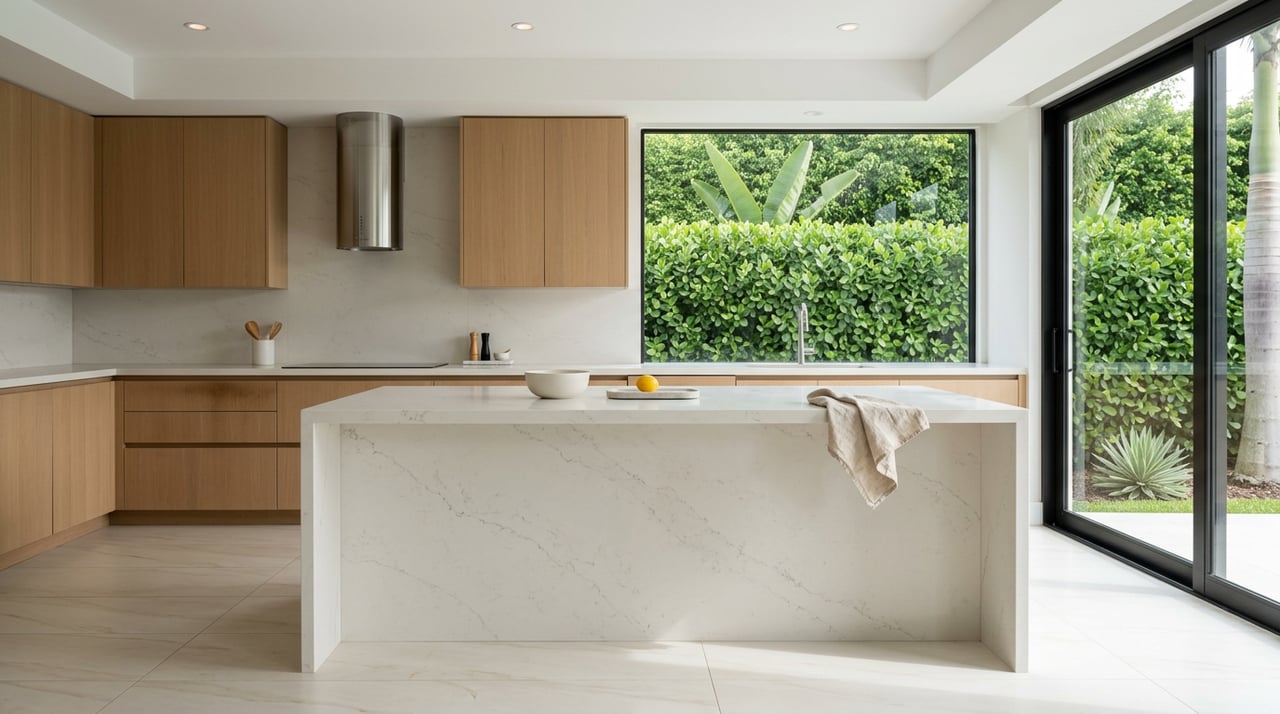
Once repairs and outdoor cleanup are underway, turn your attention to the spaces buyers notice first. According to the National Association of Realtors 2023 staging profile, the rooms considered most important to stage are the living room, primary bedroom, and kitchen.
That matters because decluttering is not about removing every sign of life. It is about helping buyers see the space, light, layout, and function of the home. Start with the rooms that carry the most visual weight, then move to secondary spaces.
A simple decluttering checklist includes:
- Remove excess furniture that blocks flow
- Clear kitchen counters except for a few intentional items
- Pack away personal photos and highly specific decor
- Simplify shelves, consoles, and nightstands
- Organize closets so they feel tidy and usable
If you have bulky items to remove, Pinecrest’s public works guidance says bulky waste collection is handled by Miami-Dade County and can be scheduled through the county or by calling 311. That can be a practical way to clear old furniture, broken patio pieces, or oversized items without letting them pile up.
Two weeks out: Stage with purpose
By two weeks out, your home should be close to show-ready. This is the ideal time to refine furniture placement, add light staging where needed, and prepare for photography.
The same NAR staging report found that the most commonly staged rooms were the living room, kitchen, primary bedroom, and dining room. It also found that 20% of sellers’ agents reported staging increased the dollar value offered by 1% to 5%.
That does not mean you need a full redesign. In many Pinecrest homes, the best strategy is a light, intentional approach that highlights space, natural light, and indoor-outdoor flow. Clean sight lines, balanced furniture, and a polished exterior often do more than expensive last-minute upgrades.
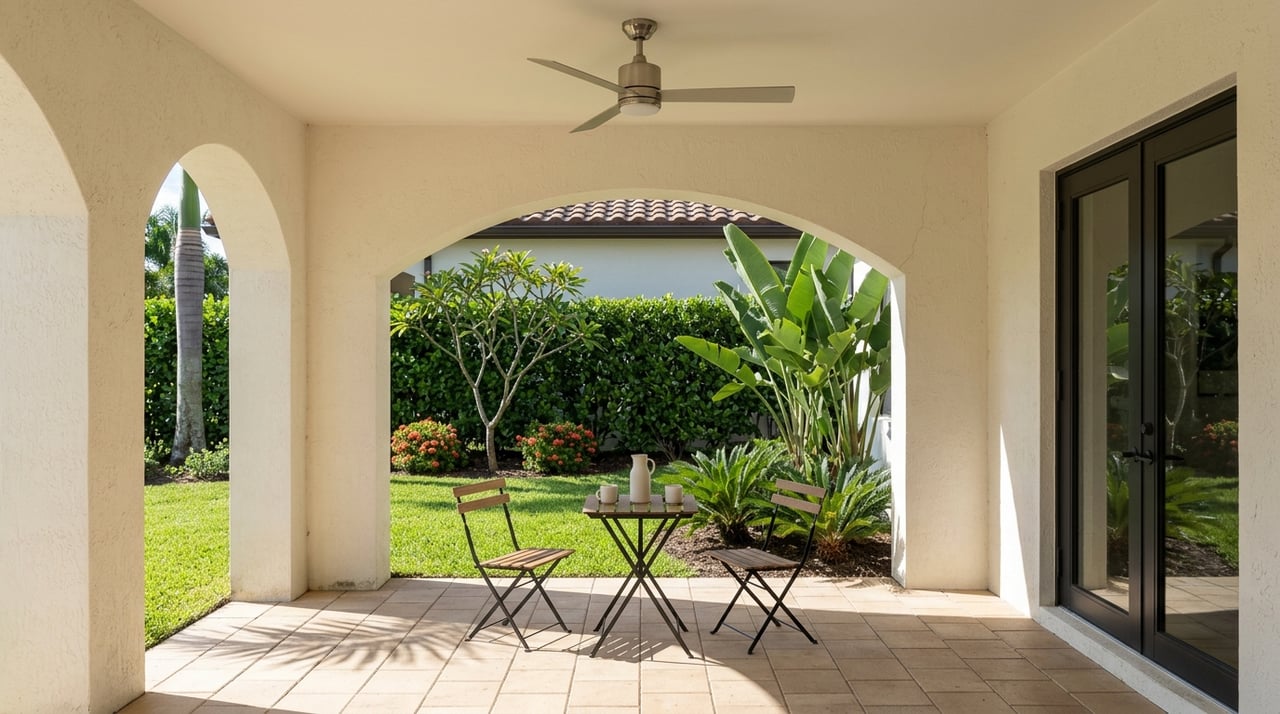
This is also the time to make sure outdoor living areas are photo-ready. In Pinecrest, patios, lawns, pool spaces, and covered outdoor areas are part of the story buyers see, not an afterthought.
One week out: Final reset
The last week is all about consistency. Every detail should support the feeling that the home is ready for the market.
Focus on these final steps:
- Deep clean the full home
- Freshen the lawn and tidy landscaping
- Confirm pool cleanliness and trash storage
- Review final photos and make any small corrections
- Create a showing plan that works with your daily routine
Flexibility matters here. NAR’s research notes that buyers often view homes with family members and consult family during the buying process, so showing windows that are practical and easy to manage can help reduce friction once the home is live.
If your listing period falls between June 1 and November 30, build in a weather backup plan. That is the official Atlantic hurricane season, and having some flexibility around outdoor work, photography, or showing prep can save you stress.
A simple Pinecrest prep checklist
If you want a quick way to stay organized, use this checklist as your guide:
| Timeline | Main focus |
|---|---|
| 6 weeks out | Walk-through, task triage, permit and tree review |
| 5 weeks out | Small repairs, estimates, maintenance planning |
| 4 weeks out | Landscaping, curb appeal, pool and exterior cleanup |
| 3 weeks out | Declutter living room, primary bedroom, kitchen |
| 2 weeks out | Light staging, furniture edits, photo prep |
| 1 week out | Deep clean, final reset, showing plan |
How a coordinated plan reduces stress
The biggest challenge for many Pinecrest sellers is not knowing what to do first. When repairs, landscaping, tree rules, decluttering, staging, photography, and timing all overlap, the process can feel larger than it needs to be.
A clear prep timeline helps you focus on what actually moves the listing forward. It also helps you avoid spending time on the wrong projects while the tasks that affect presentation, scheduling, or local compliance get pushed too late.
If you want a smoother sale, the goal is not perfection. The goal is a home that feels cared for, photographs well, and hits the market with less stress and fewer surprises.
If you are preparing to sell in Pinecrest and want a local, hands-on plan that keeps the process organized from prep to closing, Phillip Delgado can help you coordinate the next steps with clarity and confidence.
FAQs
How early should you start listing prep for a Pinecrest home?
- For most occupied homes, starting 4 to 6 weeks before listing is a smart timeline. If your prep includes tree work, roof work, windows, fences, or other permit-sensitive items, start earlier.
What rooms should you stage first in a Pinecrest listing?
- Start with the living room, primary bedroom, and kitchen. These are the spaces buyers and agents most often focus on when deciding whether a home feels move-in ready.
Do tree and landscaping issues matter before listing a Pinecrest home?
- Yes. Pinecrest flags overgrown conditions, improper pruning, and tree removal without a permit as common issues, so exterior condition should be treated as a core part of your listing prep.
What home projects may need permits in Pinecrest before listing?
- Pinecrest handles permits locally, and permits are generally required for items like pools, additions, fences, sheds, carports, new plumbing, electrical or mechanical work, and exterior repairs involving windows, doors, siding, or roofs.
How can you declutter a Pinecrest home before photos?
- Focus first on removing excess furniture, clearing counters, packing personal items, simplifying decor, and scheduling bulky waste pickup for large unwanted items through Miami-Dade if needed.
Why is a week-by-week timeline helpful for busy Pinecrest sellers?
- A structured timeline helps you prioritize the right tasks, avoid permit or scheduling surprises, and get your home market-ready without trying to do everything at once.